



Healing the healers: addressing the mental health crisis in healthcare

The healthcare industry is facing a growing mental health crisis. According to recent statistics, 76% of employees in various industries report a mental health condition (HHS), 1 in 6 struggle with substance abuse (CDC), and 1 in 10 suffer from depression (WHO). For healthcare professionals, these numbers may be even higher due to the high pressure environment at work.
A 2024 report from the World Health Organization (WHO) revealed stark statistics about the mental health challenges healthcare workers face. Nearly 40% reported symptoms of anxiety or depression, and over 25% experienced burnout severe enough to affect their ability to perform their duties. The ongoing effects of the COVID-19 pandemic further exacerbated these struggles, leaving healthcare systems stretched thin and their workers emotionally drained.
Unique Stressors in Healthcare
2 in 5 healthcare workers feel ill because of work stress according to this NHS survey. Healthcare professionals encounter unique challenges that contribute to their mental health struggles. These include emotionally taxing patient interactions, frequent exposure to suffering or death, and a persistent fear of making critical errors. Such conditions, coupled with inadequate staffing and organizational support, lead to burnout. In fact, a recent WHO report revealed that workplace stress and bullying are prevalent in healthcare, further exacerbating mental health issues.
Implications of Poor Mental Health
The repercussions of poor mental health extend beyond the individual. Depressed or anxious healthcare workers are more prone to making poor decisions and less likely to deliver high-quality care, which can affect patient outcomes. Burnout may also lead to higher turnover rates, creating staffing shortages that further stress remaining employees. Mental health issues lead to diminished job satisfaction, absenteeism, and a loss of productivity equivalent to billions of dollars annually. Toxic workplace cultures, where bullying or harassment is tolerated, worsen these outcomes.
A Path to Wellness with HappierMe
HappierMe recognizes the unique challenges faced by healthcare professionals and offers tailored solutions to support their mental wellbeing.
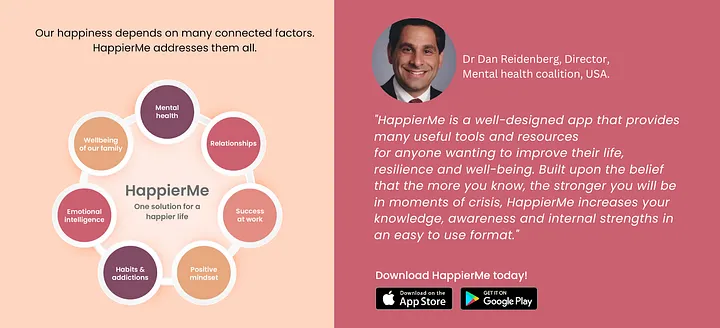
It helps users feel better now through guided meditations, journaling, and breathing exercises. It then empowers people to develop their self-awareness and emotional intelligence to manage their own mental health, have happier relationships, deal with addiction and develop their communication and leadership skills.
What makes it stand out is that it addresses the root cause, not just the symptoms, for lasting change. Preventing mental health problems is so much easier.
Just as we go to the gym to look after our physical health, HappierMe offers a daily routine of breathing exercises, self-reflection, and journaling to look after our mental health.
The separate section for teenagers allows workers to also ensure the wellbeing of their family.
With 75+ modules and a host of features including an online journal, a forum for peer support, an extensive library of podcasts, meditations and videos, it’s a one-stop solution for all the wellbeing needs of staff.
Conclusion
Healthcare workers give so much of themselves to care for others. By tackling workloads, supporting leaders and building a culture where it is safe to speak up, we can help them stay well and keep doing the work they love. To care for patients, we must first care for those who care for them.
Also read
1. HappierMe
Website
2.
6 ways to transform organisations
3.
Reducing workplace conflict and boosting collaboration
4.
Self-awareness helps leaders succeed
5.
How to manage your own mental health
6. Subscribe to our
newsletter
7. Follow us on
social media
8. Join our
Facebook group
and
LinkedIn Group
Understand your mind. Live a happier life.
Life can be tough. The HappierMe app is your personal guide to help you feel better now, but also to take you deeper to understand your thoughts and feelings. It supports you to become the person you want to be, to be happier, manage your emotions and succeed in the world. There are also coaches you can speak to through the app.
About us
Get HappierMe
Support


Copyright © 2024 HappierMe. All rights reserved
Copyright © 2024 HappierMe. All rights reserved


