



Mental health challenges in the aviation industry
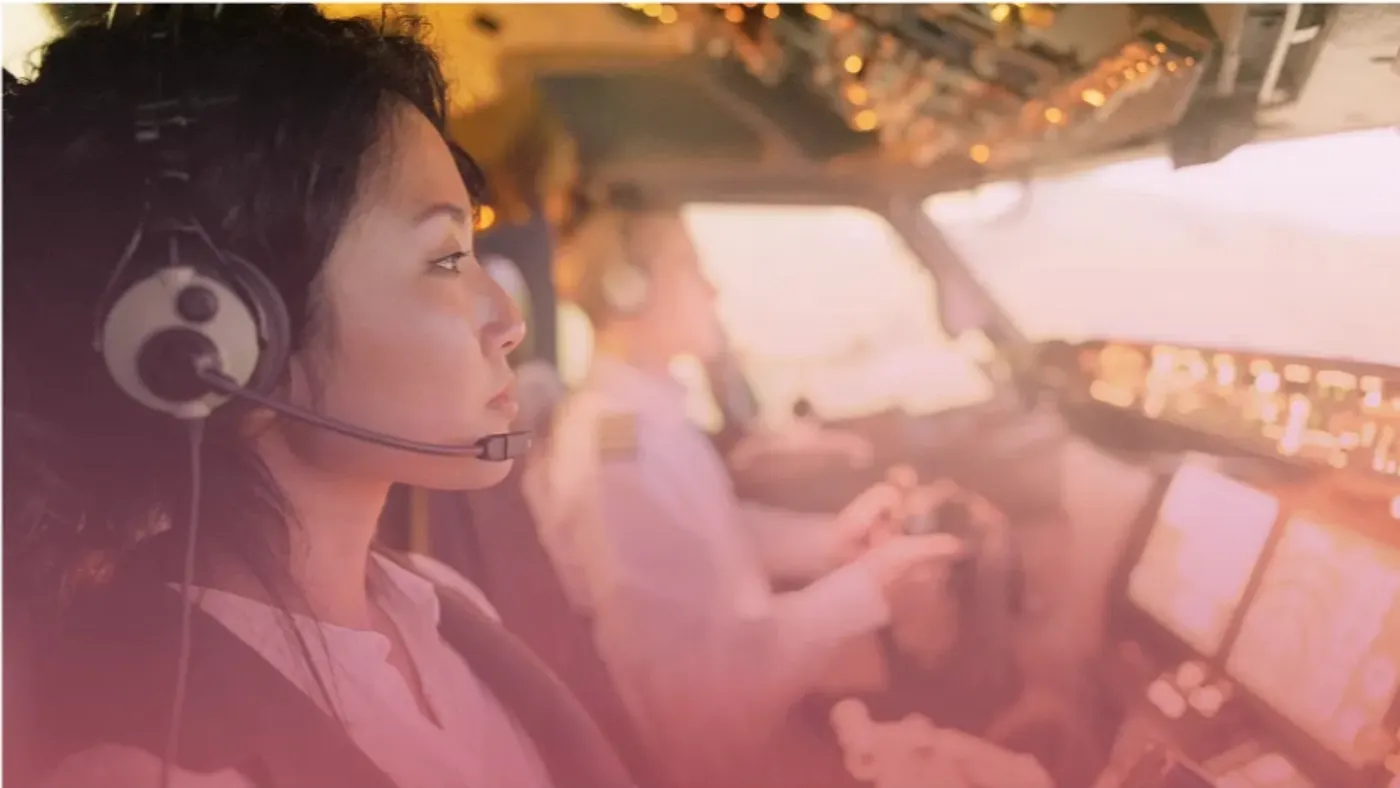
The aviation industry is under immense pressure, and this translates to increased mental health challenges among staff, which impacts their performance.
Globally, 76% of employees report experiencing a mental health condition (HHS), 1 in 6 struggle with substance abuse (CDC), and 1 in 10 battle depression (WHO). Meanwhile, 38% cite workplace conflicts as a major stressor (CIPD). Aviation workers, facing unique stressors, are at an even greater risk of these challenges.
A recent review found that up to 40% of cabin crew were at risk for depression, with 36.6% suffering from depression and/or anxiety (Safetystanddown).
40% of pilots experience burnout, according to this article. These figures highlight the urgent need to address the mental wellbeing of those tasked with ensuring our safety in the skies.
A High-Stress Profession with Unique Challenges
The nature of aviation work makes it particularly susceptible to mental health challenges. Pilots, cabin crew, and ground staff often work long hours under high pressure, juggling irregular schedules and extensive travel. These demands can disrupt sleep patterns and personal relationships, leading to chronic stress and burnout. Furthermore, the high stakes of ensuring passenger safety can create an environment where employees are hesitant to seek help for fear of professional repercussions or stigma.
Regulatory requirements, such as stringent medical certifications, add another layer of stress. Pilots, for instance, may avoid disclosing mental health struggles due to the potential impact on their flight status. This reluctance to seek help can exacerbate existing issues, creating a cycle of stress and isolation that is difficult to break.
The Ripple Effects of Mental Health Challenges
Poor mental health in aviation professionals doesn’t just affect the individual. It can have far-reaching consequences for safety and operational efficiency. The MedAire study found that impaired mental health among crew members has led to workplace conflicts and operational delays. Additionally, the stigma surrounding mental health in aviation often prevents open conversations, leaving colleagues unsure of how to support one another effectively. These challenges underline the need for systemic changes to create a supportive and understanding work environment.
Building Resilience: The HappierMe difference
HappierMe recognizes the unique challenges faced by aviation professionals and offers tailored solutions to support their mental wellbeing.
It helps users feel better now through guided meditations, journaling, and breathing exercises. It then empowers people to develop their self-awareness and emotional intelligence to manage their own mental health, have happier relationships, deal with addiction and develop their communication and leadership skills.
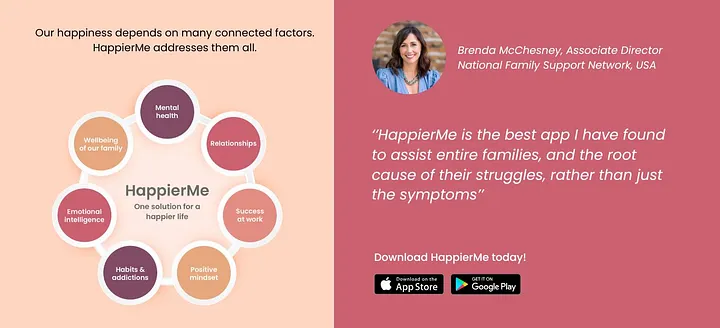
What makes it stand out is that it addresses the root cause, not just the symptoms, for lasting change. We are proactive in preventing mental health problems, because that is so much easier.
Just as we go to the gym to look after our physical health, HappierMe offers a daily routine of breathing exercises, self-reflection, and journaling to look after our mental health.
The separate section for teenagers allows workers to also ensure the wellbeing of their family.
With 75+ modules and a host of features including an online journal, a forum for peer support, an extensive library of podcasts, meditations and videos, it’s a one-stop solution for all the wellbeing needs of staff.
Toward a More Supportive Future
The aviation industry is gradually acknowledging the importance of mental health. We need to emphasize the importance of empathy and active listening, creating a safe space for professionals to share their struggles without fear of judgment. By integrating mental health into the broader framework of aviation safety, the industry can ensure a healthier and more supportive environment for its workforce.
Also read:
1. HappierMe Website
2. 6 Ways to Transform Organizations
3. Reducing Workplace Conflict and Boosting Collaboration
4. Self-Awareness Helps Leaders Succeed
5. How to manage your own mental health
6. Subscribe to our newsletter
7. Follow us on social media
8. Join our Facebook group and LinkedIn Group
Understand your mind. Live a happier life.
Life can be tough. The HappierMe app is your personal guide to help you feel better now, but also to take you deeper to understand your thoughts and feelings. It supports you to become the person you want to be, to be happier, manage your emotions and succeed in the world. There are also coaches you can speak to through the app.
About us
Get HappierMe
Support


Copyright © 2024 HappierMe. All rights reserved
Copyright © 2024 HappierMe. All rights reserved


